
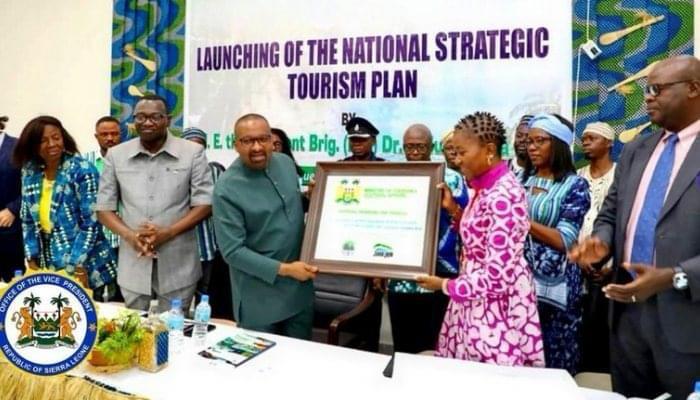
As the world commemorates International Women’s Day, the Sierra Leone Economic Diversification Project (SLEDP) celebrates women whose leadership is shaping the institutions, policies, and economic sectors that will define Sierra Leone’s future growth.
Among these leaders is Hon. Nabeela Farida Tunis, Sierra Leone’s Minister of Tourism and Cultural Affairs, whose strategic leadership has helped reposition tourism and culture as important pillars of Sierra Leone’s economic diversification agenda.
At a time when Sierra Leone is seeking to broaden its economic base beyond traditional sectors, Minister Tunis has played a pivotal role in strengthening tourism governance, advancing sector reforms, and elevating the country’s tourism profile within the global marketplace. Through strategic collaboration with SLEDP and the World Bank, her leadership is helping transform tourism from an underutilized national asset into a dynamic sector capable of generating jobs, investment, and inclusive economic opportunity.
Positioning Tourism at the Heart of Sierra Leone’s Diversification Agenda
Across the world, tourism has emerged as one of the fastest-growing sectors in the global economy, contributing significantly to employment, private sector development, and cultural exchange. For Sierra Leone, tourism represents a powerful opportunity to diversify the economy while harnessing the country’s rich natural and cultural heritage. Recognizing this potential, Minister Tunis has championed policies and strategic reforms designed to position tourism as a viable engine of national economic growth.
Under her stewardship, the Ministry of Tourism and Cultural Affairs has advanced several key national frameworks that guide the sector’s long-term development. These include the National Strategic Tourism Development Plan, the Wildlife Conservation Policy, and the Beach and Island Tourism Policy, which collectively strengthen the policy environment for sustainable tourism investment, environmental protection, and private sector participation. These reforms are helping establish a more coherent tourism ecosystem where conservation, entrepreneurship, and community participation work together to generate sustainable economic value while positioning tourism as a strategic contributor to Sierra Leone’s economic diversification agenda.
Strengthening Institutions to Deliver Tourism Growth
Tourism development depends not only on natural attractions but also on strong institutions capable of implementing policy, coordinating stakeholders, and ensuring effective sector governance.
Understanding this reality, Minister Tunis facilitated a comprehensive Management and Functional Review of the Ministry of Tourism and Cultural Affairs. This reform initiative modernized institutional structures, strengthened internal coordination, and repositioned the Ministry as a more responsive and results-oriented institution.
The reforms enhanced the Ministry’s ability to coordinate tourism development initiatives, support sector regulation, and engage more effectively with development partners and private sector stakeholders.
These institutional improvements have strengthened the Ministry’s role as a central driver of tourism sector development while creating a stronger platform for collaboration with SLEDP and other partners working to unlock the sector’s economic potential.
Strategic Investments in Tourism Infrastructure
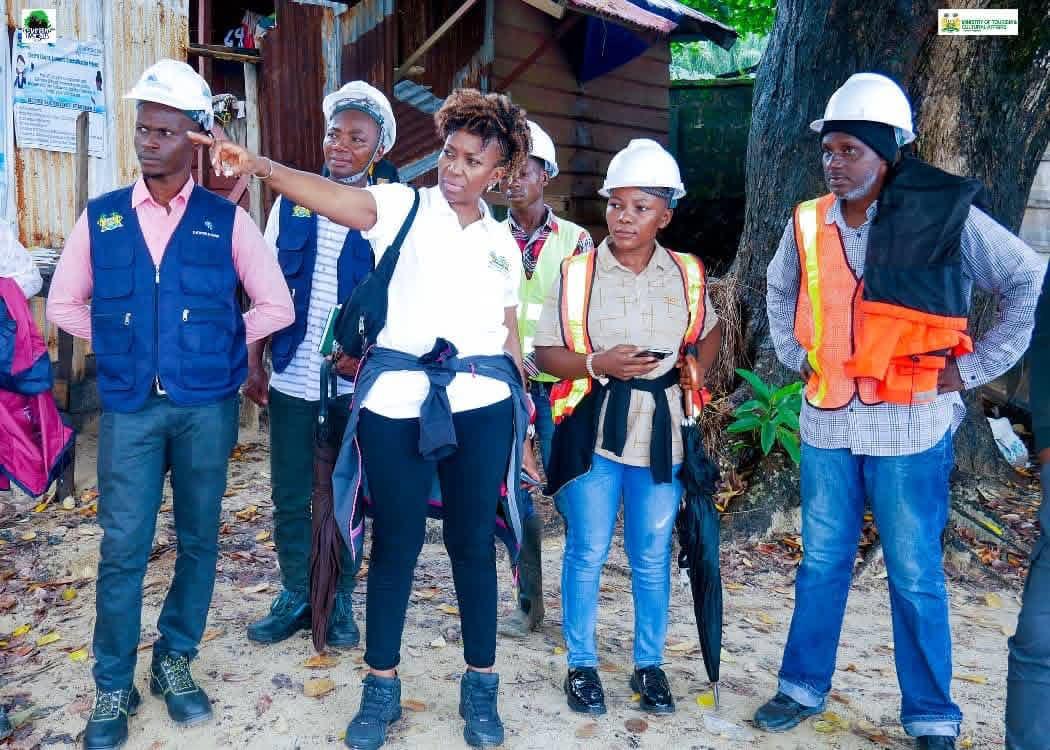
While policy reform provides direction, tourism growth ultimately requires investments that transform natural attractions into competitive tourism products capable of attracting visitors and generating economic activity. Working in close partnership with SLEDP, Minister Tunis has helped guide strategic investments in some of Sierra Leone’s most iconic tourism destinations, including Tacugama Chimpanzee Sanctuary, Leicester Peak, and Bureh Beach.
These investments reflect a deliberate effort by the Ministry and SLEDP to strengthen the country’s tourism infrastructure while enhancing the quality of visitor experiences.
At Tacugama, improvements are reinforcing Sierra Leone’s growing reputation as an ecotourism destination by strengthening conservation-linked visitor facilities and supporting sustainable wildlife tourism. Upgrades at Leicester Peak are enhancing one of the country’s most iconic viewpoints overlooking the capital city, improving accessibility and visitor amenities. At Bureh Beach, investments are supporting the development of surf tourism infrastructure and community-based enterprises that provide services to both domestic and international visitors. These developments illustrate how strategic collaboration between government leadership and development partners can translate tourism policy into tangible economic opportunities. By improving infrastructure and strengthening destination management, these investments are helping create the conditions necessary for tourism businesses, local entrepreneurs, and surrounding communities to benefit from the sector’s growth.
Rebranding Sierra Leone’s Tourism Identity for the Global Marketplace
In the modern tourism economy, destinations compete globally for attention, investment, and travelers. A clear and compelling national tourism identity is therefore essential. Recognizing this need, Minister Tunis has played a central role in advancing Sierra Leone’s National Tourism Marketing and Rebranding Strategy, which introduced the “Explore Freedom” destination brand. From a ministerial and policy perspective, this initiative represents more than a marketing campaign. It reflects a strategic effort to reposition Sierra Leone within the global tourism landscape by highlighting the country’s unique combination of history, biodiversity, culture, and authentic travel experiences.
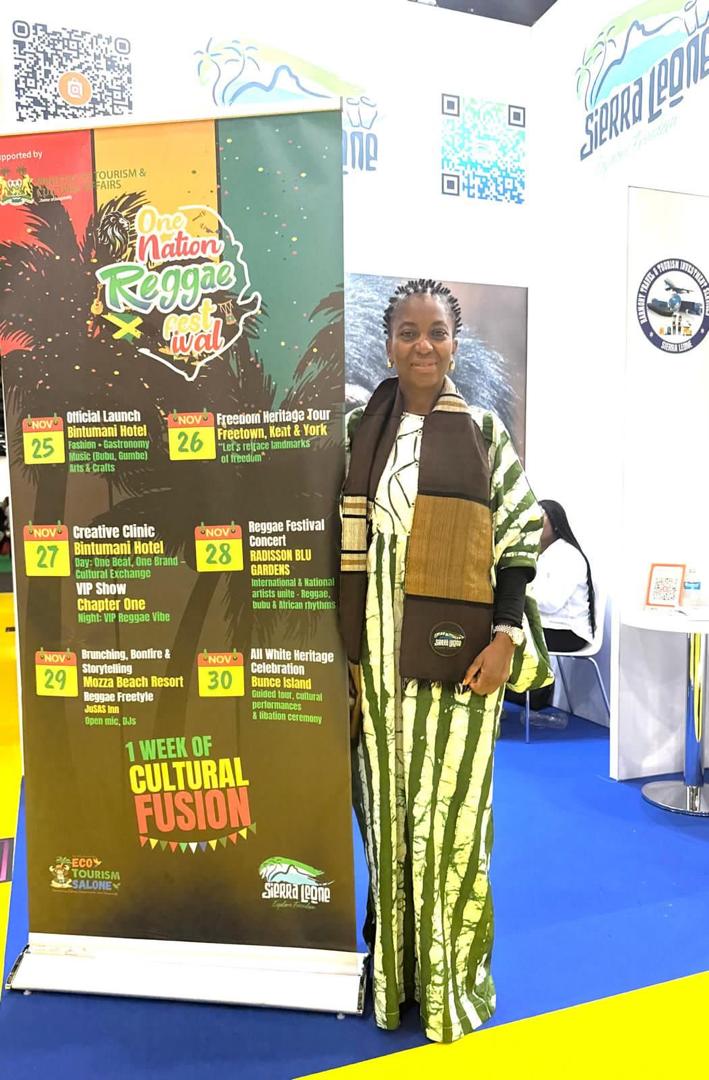
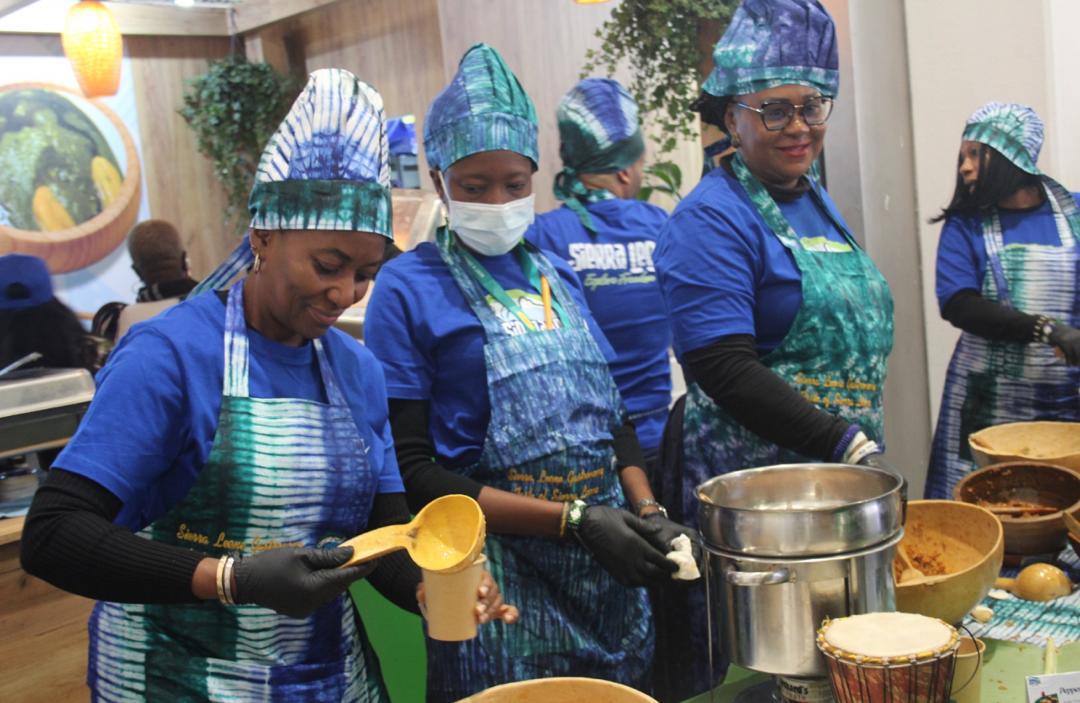
Through coordinated international marketing initiatives supported by SLEDP, Sierra Leone’s tourism story is reaching wider global audiences through travel media platforms, international tourism exhibitions, and targeted destination marketing campaigns. This strategic repositioning is gradually reshaping international perceptions and presenting Sierra Leone as an emerging tourism destination with significant potential within West Africa.
Expanding Domestic Tourism and National Participation
Tourism growth is most sustainable when it is supported not only by international visitors but also by strong domestic participation. Minister Tunis has therefore expanded the national “Tourism for All” campaign into a broader platform that encourages Sierra Leoneans to rediscover their country’s natural and cultural heritage while actively participating in the tourism economy.By promoting domestic travel, cultural festivals, and community-based tourism activities, the initiative strengthens national pride while supporting small businesses and local enterprises that depend on tourism-related services. Complementing this initiative are national platforms such as the Year of Ecotourism and the ongoing Year of Culture and Creativity, which celebrate Sierra Leone’s cultural richness while highlighting tourism’s role in environmental conservation, community engagement, and economic opportunity.
Together, these initiatives reinforce the idea that tourism is not only about attracting visitors from abroad, it is also about enabling citizens to participate meaningfully in the country’s tourism economy.
Championing Women’s Leadership in Tourism Across Africa
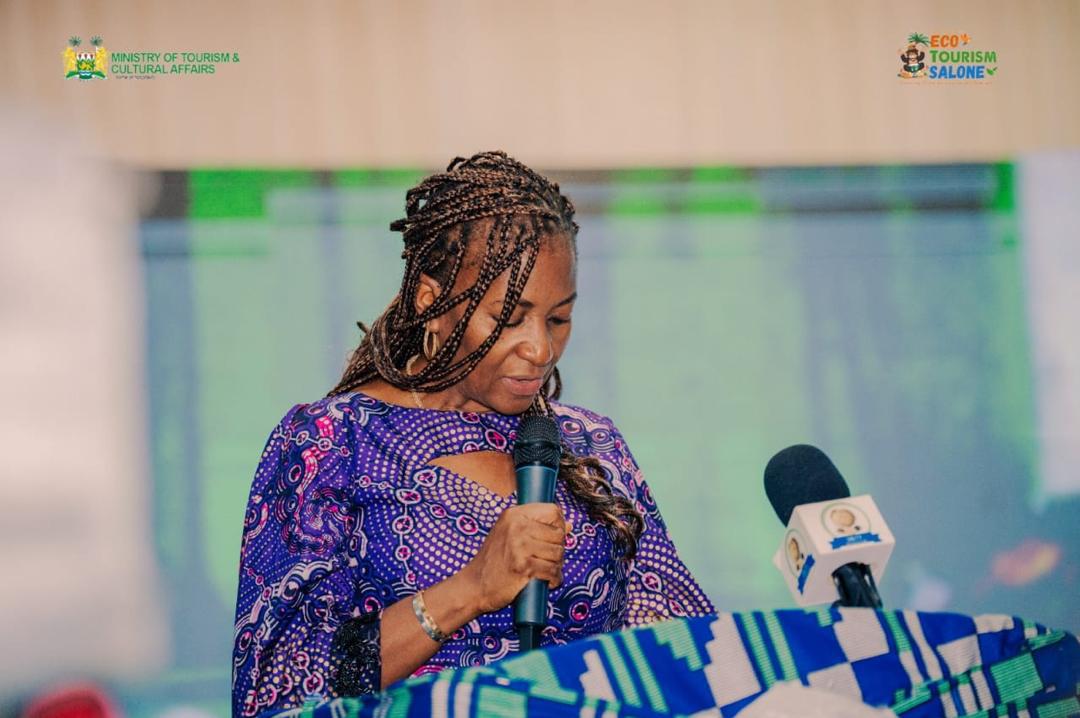
Minister Tunis’s influence extends well beyond Sierra Leone’s borders. As Chairperson of the Women in Tourism Leadership Africa Committee, she has been a strong advocate for greater gender equality and leadership opportunities within the tourism sector.Her leadership helped bring global attention to Sierra Leone when the country hosted the UN Tourism Regional Congress on Women in Tourism, which attracted more than 500 participants from over 30 countries.The congress created an important platform for dialogue, mentorship, and knowledge exchange aimed at strengthening women’s participation and leadership across Africa’s tourism industry. Building on this momentum, the forthcoming Intra-African Women in Tourism Mentorship Programme will connect experienced industry leaders with emerging female professionals and entrepreneurs, helping nurture the next generation of women shaping the continent’s tourism and creative industries.
Tourism Reform within the Global Development Landscape
Minister Tunis’s leadership reflects an understanding that tourism today operates within a broader global development landscape.Across the world, tourism is increasingly recognized as a sector capable of driving economic diversification, job creation, and sustainable development when supported by strong governance, strategic investment, and environmental stewardship.Through collaboration with the World Bank and SLEDP, Sierra Leone’s tourism reforms are increasingly aligning with these global best practices. Institutional strengthening, infrastructure development, strategic destination marketing, and inclusive sector participation are helping position Sierra Leone to compete more effectively within the global tourism economy.
Leadership for a Diversified Economic Future
On this International Women’s Day, SLEDP celebrates Hon. Nabeela Farida Tunis as a leader whose work is helping shape the future of Sierra Leone’s tourism sector and its role within the broader economic diversification agenda.Through policy reform, institutional strengthening, strategic infrastructure investments, and global engagement, her leadership is contributing to a tourism sector that is increasingly capable of generating investment, expanding opportunities for women and youth, and promoting Sierra Leone’s rich cultural and natural heritage to the world. At a time when Sierra Leone is charting new pathways toward sustainable economic growth, her work demonstrates how visionary leadership, strategic partnerships, and strong institutions can transform tourism into a catalyst for national development.lping create the conditions necessary for tourism businesses, local entrepreneurs, and surrounding communities to benefit from the sector’s growth.