
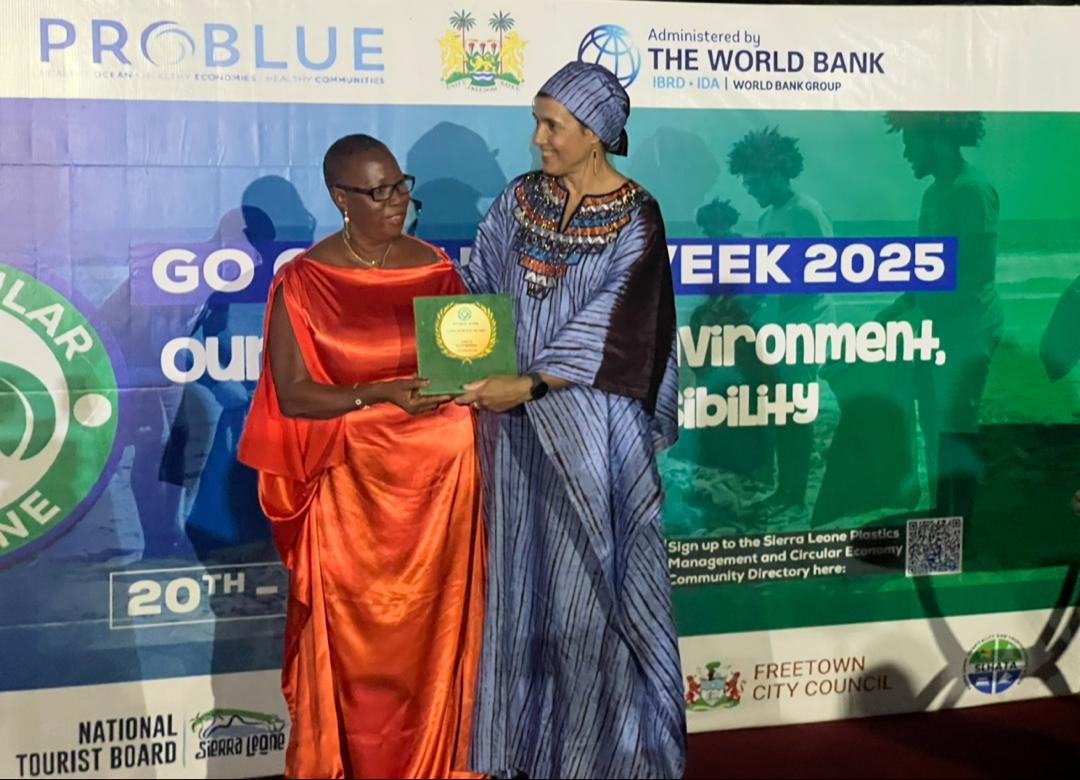
As the world commemorates International Women’s Day, the Sierra Leone Economic Diversification Project (SLEDP) proudly celebrates women whose leadership, expertise, and vision are helping reshape economies and unlock new opportunities for sustainable growth.
Among these leaders is Dr. Louise Twining-Ward, Senior Private Sector Specialist at the World Bank and Co-Task Team Leader of SLEDP – a global development strategist whose work has helped position sustainability, tourism, and private sector growth as central pillars of Sierra Leone’s economic diversification journey.
Through her leadership and global expertise in tourism policy, competitiveness, and sustainable destination development, Dr. Twining-Ward has helped guide reforms that are strengthening Sierra Leone’s tourism ecosystem, advancing environmental sustainability, and creating new pathways for inclusive economic opportunity. Her work within SLEDP reflects a clear conviction: tourism, when responsibly managed and strategically developed, can become a powerful instrument for economic transformation.
Tourism as a Strategic Driver of Economic Diversification
At the heart of SLEDP’s mission is the ambition to diversify Sierra Leone’s economy by strengthening sectors capable of generating investment, employment, and long-term growth. Under the strategic guidance of the World Bank task team, including Dr. Twining-Ward, tourism has been repositioned not merely as a visitor industry, but as a national economic opportunity capable of stimulating entrepreneurship, strengthening local supply chains, and attracting international investment. Working closely with government institutions and sector stakeholders, she has helped guide reforms designed to improve tourism governance, strengthen destination competitiveness, and enhance the enabling environment for tourism investment. These interventions have supported improvements in tourism infrastructure, strengthened destination branding, and encouraged the development of sustainable tourism assets capable of attracting both regional and international visitors. What makes this approach transformative is its systems perspective; tourism development is not treated as an isolated sector, but as part of a broader economic ecosystem linking private enterprise, environmental protection, and community livelihoods.
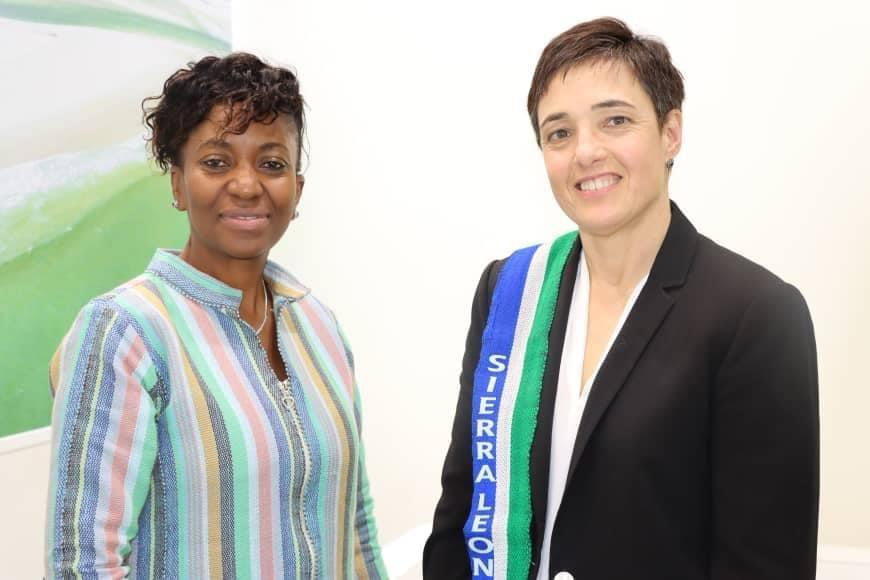
Integrating Sustainability into Tourism Development
A defining element of Dr. Twining-Ward’s engagement with SLEDP has been her commitment to ensuring that tourism development strengthens, rather than undermines environmental sustainability. Sierra Leone’s natural assets, its pristine beaches, biodiversity-rich forests, and vibrant coastal ecosystems, represent some of the country’s greatest economic advantages. Protecting these assets is therefore essential to the long-term competitiveness of the tourism sector. Through initiatives supported under SLEDP, conservation efforts, coastal ecosystem protection, and awareness around Sierra Leone’s national animal, the Chimpanzee, have been integrated into tourism development strategies. This approach reflects a broader global development lesson: sustainable tourism succeeds when economic growth and environmental stewardship reinforce each other.
Turning Plastic Pollution into a Circular Economy Opportunity
Another major challenge confronting Sierra Leone’s environmental and tourism landscape has been the rapid growth of plastic waste. With over 130,000 tons of plastic waste generated annually and only a small percentage recycled, plastic pollution has posed both a serious environmental threat and a missed economic opportunity.Through the World Bank-supported PROBLUE initiative under SLEDP, Dr. Twining-Ward helped guide a response grounded in research, policy dialogue, and private sector engagement. Studies assessing plastic imports, waste generation, and economic costs helped inform strategies aimed at reducing single-use plastics while encouraging circular economy solutions that transform waste into productive resources. Tourism enterprises were encouraged to adopt more sustainable practices, while entrepreneurs were supported to develop innovative recycling and reuse models capable of creating new market opportunities. By aligning environmental protection with enterprise development, these initiatives demonstrate how sustainability reforms can simultaneously strengthen both economic competitiveness and environmental resilience.
From Awareness Campaign to National Movement: The Go Circular Initiative
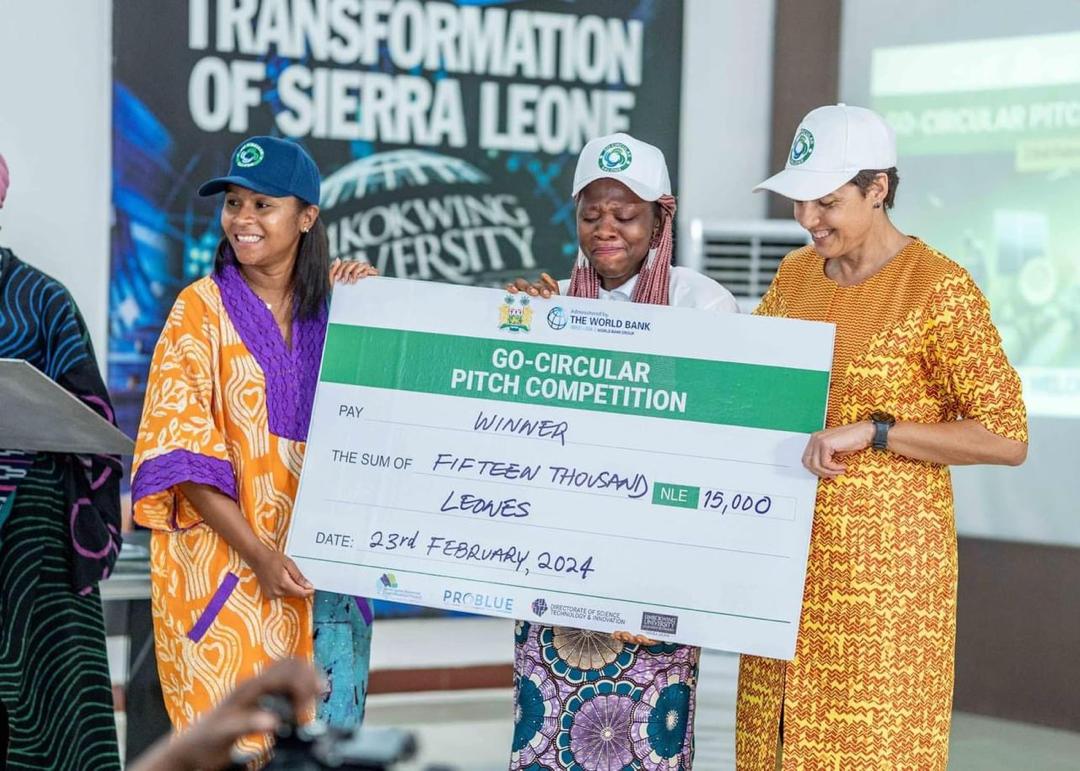
One of the most visible expressions of these reforms has been the Go Circular initiative, a national platform promoting circular economy principles and responsible environmental practices. First launched in 2024, the campaign brought together government ministries, tourism operators, businesses, students, artists, and community leaders around a shared sustainability agenda. By 2025, the initiative had evolved into a nationally coordinated platform for circular economy engagement, culminating in the declaration of February 20 as Sierra Leone’s National Plastic-Free Day, an important milestone in institutionalizing environmental responsibility within the country’s tourism and development calendar. The campaign also strengthened collaboration across emerging circular economy actors, contributing to the establishment of platforms such as the Sierra Leone Solid Waste Management Association and the Sierra Leone Recycling Association. These efforts demonstrate how communication, policy reform, and private sector engagement can work together to catalyze broader systems change.
Empowering Women and Youth in the Green Economy and Ocean Stewardship
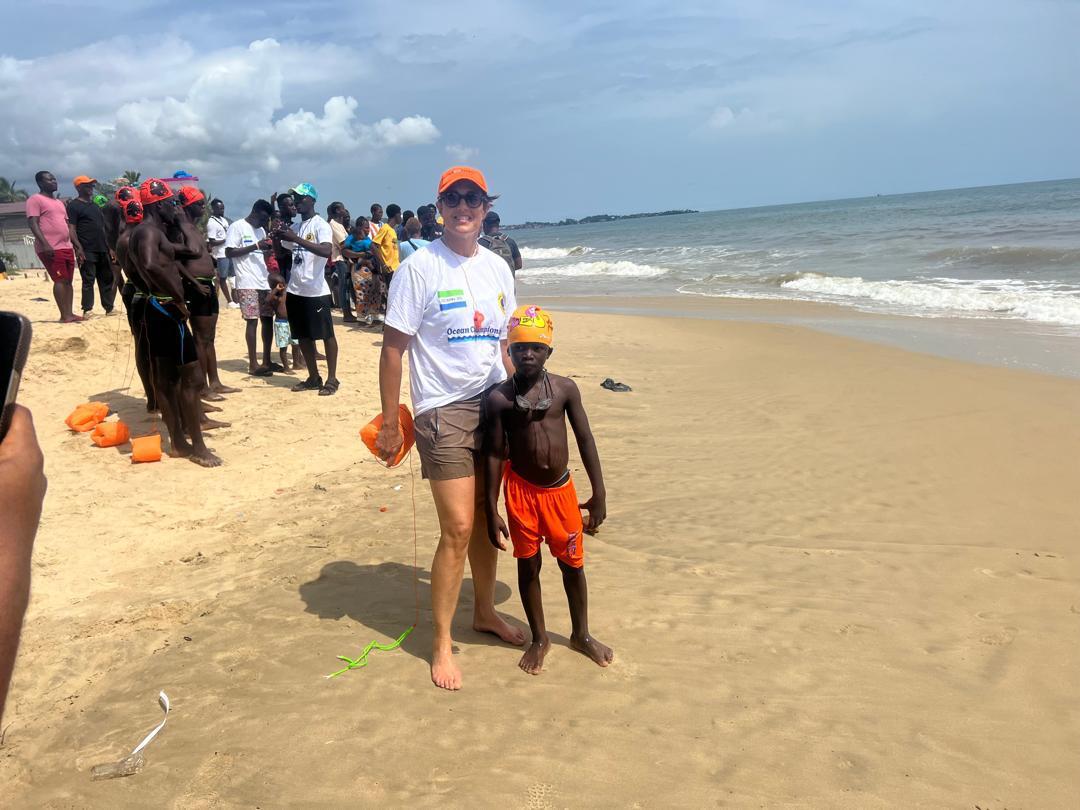
Inclusion has also been a central pillar of the reform agenda supported under SLEDP. Evidence gathered during project implementation revealed that women-led enterprises often integrate sustainability practices that benefit communities and local economies. As a result, women entrepreneurs and youth innovators have been actively engaged in tourism value chains, circular economy initiatives, and sustainability programs supported through the project. At the Second National Open Water Swimming Championship, Ocean Champions 2025, held at Lumley Beach, Dr. Twining-Ward supported youth participation under SLEDP PROBLUE’s Clean Coastal Communities Initiative, promoting ocean stewardship and environmental awareness while highlighting the role of young people in protecting Sierra Leone’s coastal and marine ecosystems. For Dr. Twining-Ward, empowering women and young people is not simply a social objective; it is a strategic economic imperative for building resilient and inclusive local economies.
Connecting Sierra Leone’s Transformation to the Global Development Agenda
What makes Dr. Twining-Ward’s leadership particularly impactful is her ability to connect Sierra Leone’s tourism ambitions with the broader global agenda for sustainable development. Across the world, countries are increasingly recognizing the importance of building economies that balance growth with environmental protection and social inclusion. Through her work with the World Bank task team supporting SLEDP, Dr. Twining-Ward has brought global best practices and strategic insights that help ensure Sierra Leone’s reforms align with emerging international trends in sustainable tourism, circular economy development, and climate-responsive economic policy. In this sense, Sierra Leone’s journey toward tourism-led diversification offers lessons not only for the country itself, but also for other developing economies seeking to harness tourism as a catalyst for inclusive and sustainable growth.
On this International Women’s Day, SLEDP celebrates Dr. Louise Twining-Ward not only for her technical expertise, but for the vision and leadership she has brought to Sierra Leone’s economic transformation. Her work demonstrates how thoughtful policy guidance, strategic partnerships, and well-designed investments can transform a sector with immense potential into a powerful driver of national development. From advancing tourism reforms and strengthening sustainability practices to promoting circular economy innovation and empowering women entrepreneurs, her contributions have helped shape a development pathway where economic diversification, environmental protection, and inclusive growth reinforce one another.
Her story is a reminder that behind every successful reform and transformative initiative are dedicated leaders whose ideas and commitment help turn possibilities into lasting progress.