
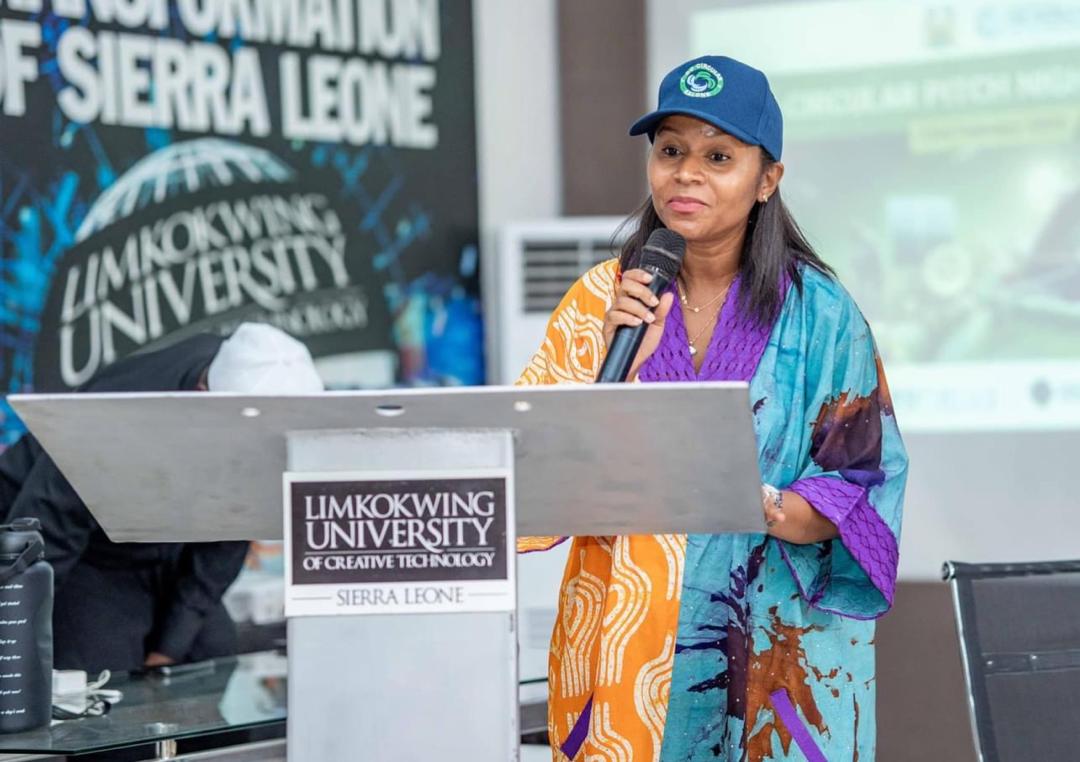
On International Women’s Day, SLEDP Celebrates a Leader Turning Vision into Measurable Reform. We celebrate a leader whose impact is measured not by headlines, but by systems that function, institutions that endure, and reforms that deliver measurable results.
At the helm of the Sierra Leone Economic Diversification Project (SLEDP), the Project Coordinator, Mary Jalloh, stands as one of the principal architects behind a bold national reform mandate, translating a USD 40 million program into tangible outcomes that strengthen Sierra Leone’s economic foundations and advance the Government’s economic diversification agenda.
Since becoming effective in November 2021, the project has exceeded its Project Development Objective indicators, reached more than 155,000 beneficiaries, and leveraged millions of United States Dollars in private investment. Her influence is not performative; it is measurable. This female game changer does not simply coordinate a project, she engineers transformation. It is precisely this blend of disciplined leadership, strategic vision, and measurable national impact that makes Mary Jalloh a fitting leader to celebrate on International Women’s Day. Her work reflects the type of leadership that quietly reshapes institutions, strengthens sectors, and expands economic opportunities for thousands of people across the country.
The Discipline of Execution: Turning Strategy into Systems
With more than fifteen years of experience spanning public policy, development finance, and private sector development, Madam Jalloh brings rare technical depth to economic governance. Armed with academic training from the London School of Economics and Political Science and advanced expertise in governance, she approaches leadership with a clear conviction: complexity must be governed with clarity.
Under her stewardship, SLEDP has operated not as a stand-alone initiative, but as a disciplined architecture of government programme delivery aligned with Sierra Leone’s development agenda. Project strategic planning integrates national priorities. Procurement systems function with integrity.
Environmental and social safeguards are rigorously upheld. Results are tracked, documented, and reported with precision. Each intervention meets global standards while reinforcing national ownership under the Ministry of Finance, a balance essential to credibility and sustainability. For Mary Jalloh, delivery is not merely implementation; it is systems alignment anchored in measurable outcomes.
Repositioning Tourism for Sustainable Economic Growth: From Potential to Performance
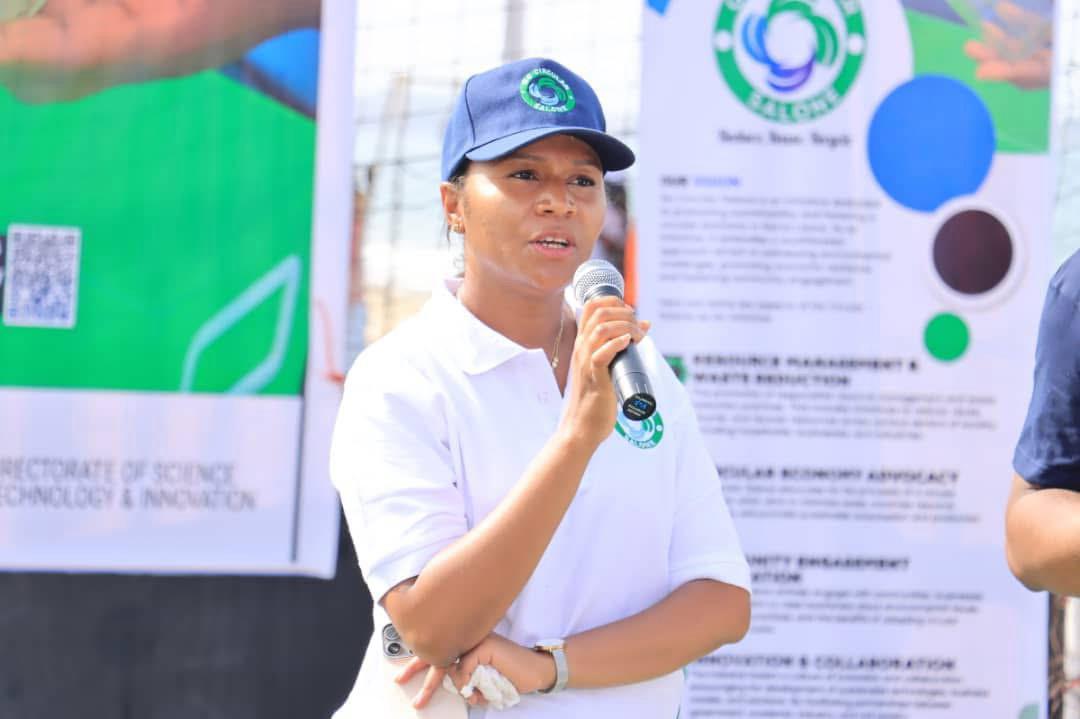
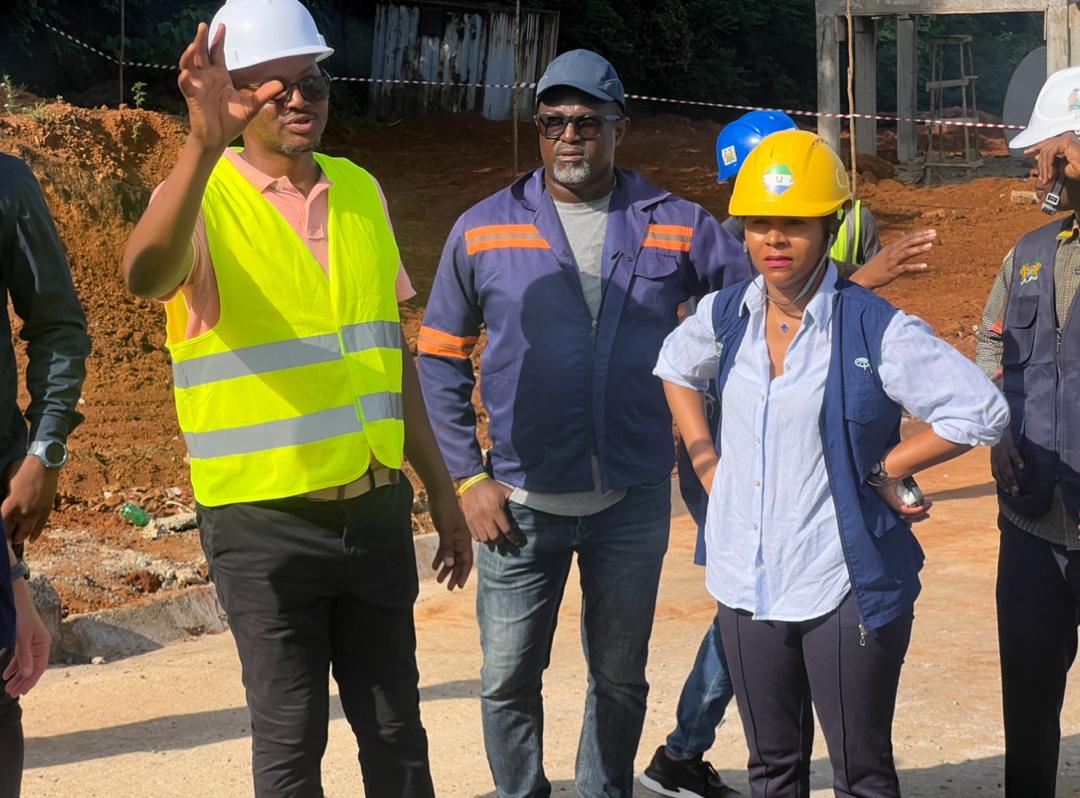
Within the scope of SLEDP’s mandate to position tourism as a key driver of economic diversification, Mary Jalloh has worked closely with the Ministry of Tourism and Cultural Affairs to design and implement interventions that strategically reposition the sector. Under her coordination, SLEDP treated tourism as a strategic public good investing in policy, strategy, and the legal architecture governing the sector; strengthening tourism institutions; supporting destination branding and marketing; and developing key tourism assets such as Leicester Peak, Bureh Beach, and the internationally respected Tacugama Chimpanzee Sanctuary.
These developments were not aesthetic improvements. They were economic instruments designed to stimulate employment, attract sector investment, and enhance the visitor experience. The development of key sector documents such as the National Tourism Marketing and Rebranding Strategy, alongside strategic destination marketing initiatives, has helped reposition Sierra Leone within the global tourism conversation. The results are beginning to show. Visitor arrivals surpassed 106,000 in 2025, with estimated visitor expenditure exceeding USD 206 million between 2022 and early 2025. Vision set the direction; governance secured sustainability.
Building the Entrepreneurial Ecosystem – Beyond Access to Grant Financing
Building an entrepreneurial ecosystem fosters a self-sustaining cycle of innovation, job creation, and resource efficiency that drives resilient, long-term economic prosperity. Against this backdrop, SLEDP, under the leadership of Mary Jalloh and in partnership with the Small and Medium Enterprises Development Agency (SMEDA) implemented a series of interventions designed to strengthen Sierra Leone’s entrepreneurial ecosystem. Each intervention, from building the capacity of SMEs, to improving access to finance, embedding entrepreneurship and innovation within universities, and strengthening business development services, was designed to create a healthier and more robust ecosystem. A total of 120 SMEs received rigorous capacity building, with 102 benefiting from approximately USD 3 million in matching grants, leveraging nearly equal levels of private co-investment.
Today, 98 percent of supported firms report increased buyers and turnover. In addition, more than 3,350 new loans were secured using the upgraded collateral registry at the Bank of Sierra Leone, with over 1,000 accessed by women-owned or women-managed businesses, reflecting deliberate gender mainstreaming rather than incidental participation.
Yet for Mary Jalloh, capital alone was never the solution. Financial support was deliberately paired with comprehensive technical assistance. Businesses were prepared not only to receive financing, but to absorb it responsibly and scale sustainably. At the same time, business development service providers, innovation hubs, and universities were strengthened to ensure that entrepreneurship support systems remain functional beyond the project’s lifecycle. This reflects her deeper philosophy: sustainable economic growth can only be achieved when the private sector plays a meaningful and leadership role.

Institutional Leadership: Credibility in Coordination
Coordinating reform across ministries, departments, agencies, private sector actors, and development partners requires more than formal authority, it demands credibility, consistency, and disciplined engagement. Mary Jalloh institutionalized structured information flows as governance instruments. Progress reporting became a tool of transparency. Risks were identified early and addressed systematically. Decisions were documented with care. Accountability was embedded within processes rather than imposed after failure.
Importantly, she positioned the Project Coordination Unit (PCU) as a technical partner to government institutions, reinforcing ministerial ownership rather than substituting for it. This approach has strengthened public institutional capacity and deepened collaboration across implementing agencies. Within her team, she has cultivated a culture anchored in discipline, professional standards, performance, and shared responsibility. Many professionals have grown into sector leaders under her guidance, carrying forward competencies that will outlive the project cycle. For the SLEDP Project Coordinator, leadership is demonstrated through sustainable institutions.
Redefining Leadership Spaces
In a field historically dominated by men, Mary Jalloh’s leadership of a major World Bank-financed development program reflects the steady expansion of women’s roles in economic governance. Under SLEDP, women beneficiaries constitute roughly half of programme participants. More than 1,000 jobs have been created for women, while thousands of women entrepreneurs have participated in training, entrepreneurship programmes, and capacity-building initiatives. Targeted safeguards have also strengthened safe and inclusive participation for women in economic spaces. Yet Madam Jalloh does not frame her journey as exceptional; she presents it as necessary.
Economic transformation demands preparation, technical mastery, resilience, and the confidence to occupy decision-making spaces with authority grounded in competence. Her contribution is not about symbolism, it is about normalizing excellence in complex governance environments.
A Message to Emerging Leaders
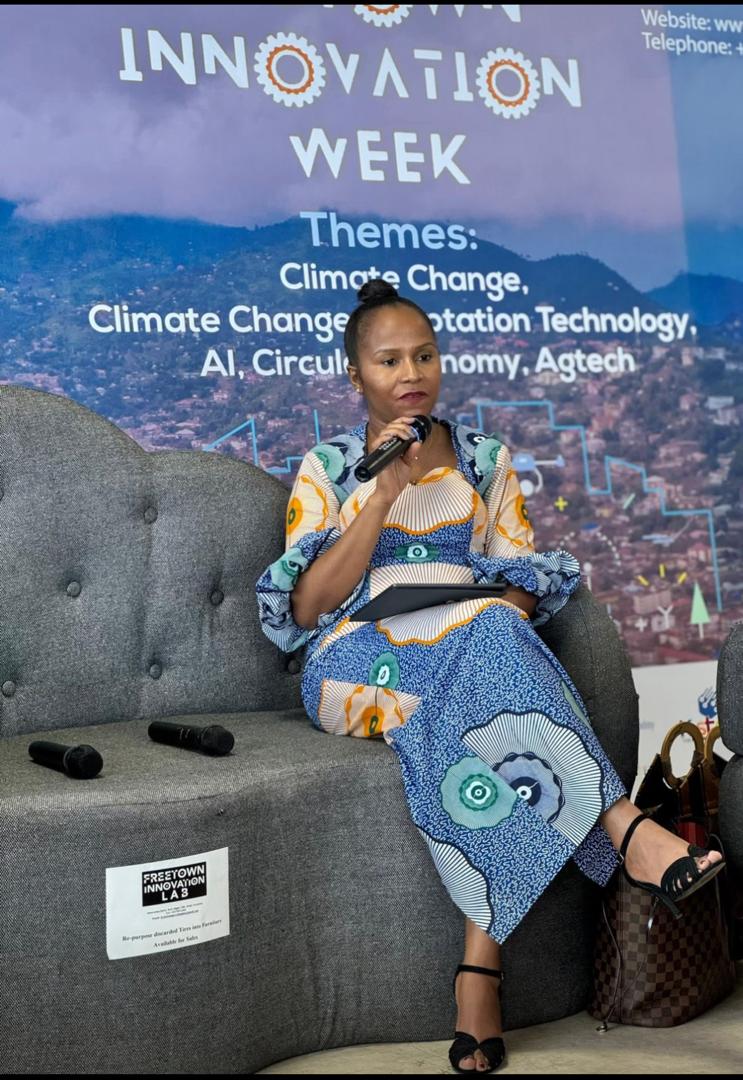
To young women aspiring to shape the economic development landscape, public policy, or national governance, Mary Jalloh’s message is clear and deliberate: pursue rigorous preparation, build technical credibility, step beyond comfort zones, and take ownership of your competence.
Confidence, she emphasizes, is forged through responsibility and sustained performance. Every reform delivered, every sector strengthened, and every institution improved demonstrates that disciplined implementation, transparent governance, and inclusive leadership can coexist and succeed.
Leadership as Legacy
As the Sierra Leone Economic Diversification Project advances toward completion, its footprint is visible in expanding sectors that support sustainable economic growth, the emergence of new industries, a vibrant and progressive entrepreneurial ecosystem, and coordinated reforms aligned with Sierra Leone’s long-term diversification strategy. Yet perhaps its most enduring contribution lies in reinforcing a national principle: when integrity meets technical depth, delivery becomes reality. Mary Jalloh is not merely coordinating a project. She is helping shape the economic architecture through which Sierra Leone’s future growth will unfold.
It is for this reason that SLEDP proudly celebrates Mary Jalloh on International Women’s Day as a leader whose disciplined stewardship, reform-driven mindset, and commitment to inclusive economic growth continue to strengthen the country’s journey toward a more diversified and resilient economy.
On this International Women’s Day, SLEDP celebrates more than a Project Coordinator. SLEDP celebrates an architect of reform, a steward of public trust, and a distinguished professional whose leadership continues to power national progress with discipline, inclusion, and measurable impact.