
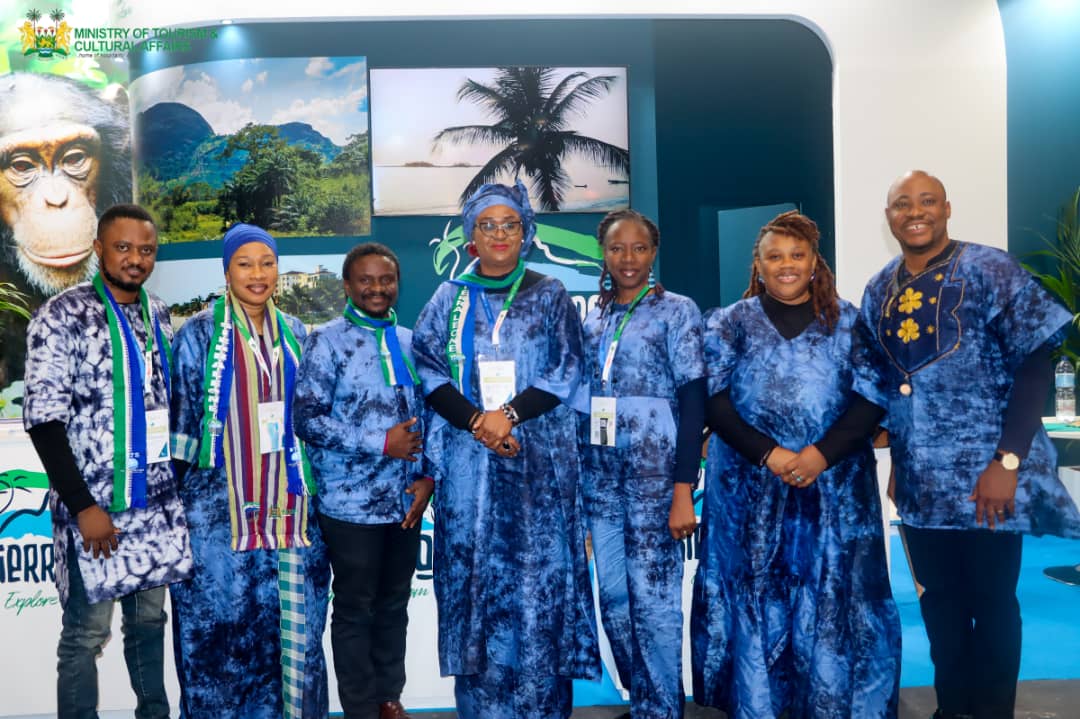
As the world marks International Women’s Day, the Sierra Leone Economic Diversification Project (SLEDP) celebrates women whose leadership is helping transform institutions, unlock economic opportunity, and strengthen Sierra Leone’s path toward sustainable growth.
Among these leaders is Fatmata Mida Carew, General Manager of the National Tourist Board (NTB), whose reform-driven leadership has helped reposition Sierra Leone’s tourism sector as a growing pillar of the country’s economic diversification agenda. At a time when Sierra Leone sought to harness tourism as a driver of economic recovery and private sector growth, Madam Carew’s leadership helped translate national ambition into institutional reform, strengthening the governance, competitiveness, and visibility of the tourism sector.
Through strategic collaboration with SLEDP and the World Bank, she has led efforts that modernize tourism governance, strengthen marketing capacity, and expand opportunities for businesses and communities participating in the tourism economy. Her work demonstrates a simple but powerful truth: tourism development begins with strong institutions capable of translating policy vision into measurable economic results.
Strengthening Tourism Institutions for Economic Diversification*
SLEDP was designed to support Sierra Leone’s broader ambition of diversifying the national economy by strengthening high-potential sectors capable of generating jobs, investment, and inclusive growth. Tourism was identified as one of those sectors. But unlocking tourism’s potential required more than promotion. It required institutional reform capable of strengthening governance, improving regulatory systems, and enhancing the country’s ability to compete in an increasingly global tourism marketplace. Under Madam Carew’s leadership, the National Tourist Board embarked on a period of institutional transformation supported by SLEDP’s technical assistance. A comprehensive functional review helped diagnose operational gaps and restructure the institution around core areas such as marketing, quality assurance, research, and regulatory oversight. This restructuring marked a decisive shift from traditional administration toward a modern, performance-oriented tourism authority. Licensing and regulatory processes were streamlined to improve efficiency and transparency, while new operational systems strengthened the Board’s ability to engage both domestic tourism operators and international partners. These reforms helped position the NTB as a credible institutional anchor capable of supporting tourism as a driver of national economic diversification.
Building Global Visibility for Sierra Leone’s Tourism Destination
In today’s tourism economy, destinations compete globally for attention, investment, and travelers. Recognizing this reality, Madam Carew worked closely with SLEDP to strengthen Sierra Leone’s international tourism marketing strategy, ensuring that the country’s unique assets, from pristine beaches and biodiversity to vibrant culture and heritage, are effectively communicated to global audiences. Through strategic marketing partnerships supported by the project, Sierra Leone’s tourism presence expanded across key international markets. Under the framework of the National Tourism Marketing and Rebranding Strategy, SLEDP funded a network of Market Destination Representatives (MDRs) to elevate Sierra Leone’s visibility across the global tourism landscape. These MDRs, including CornerSun representing North America and LOTUS and TMR International supporting key European markets, worked alongside NTB to implement coordinated international marketing campaigns designed to reposition Sierra Leone as an emerging tourism destination. Through these partnerships, Sierra Leone’s tourism story reached global audiences through prestigious platforms such as Forbes Travel and Wanderlust Magazine, helping reshape international perceptions of the country. The MDRs also organized familiarization (FAM) trips for international journalists, travel writers, and influencers, allowing them to experience Sierra Leone firsthand and share authentic stories about the country’s natural beauty, culture, and hospitality.
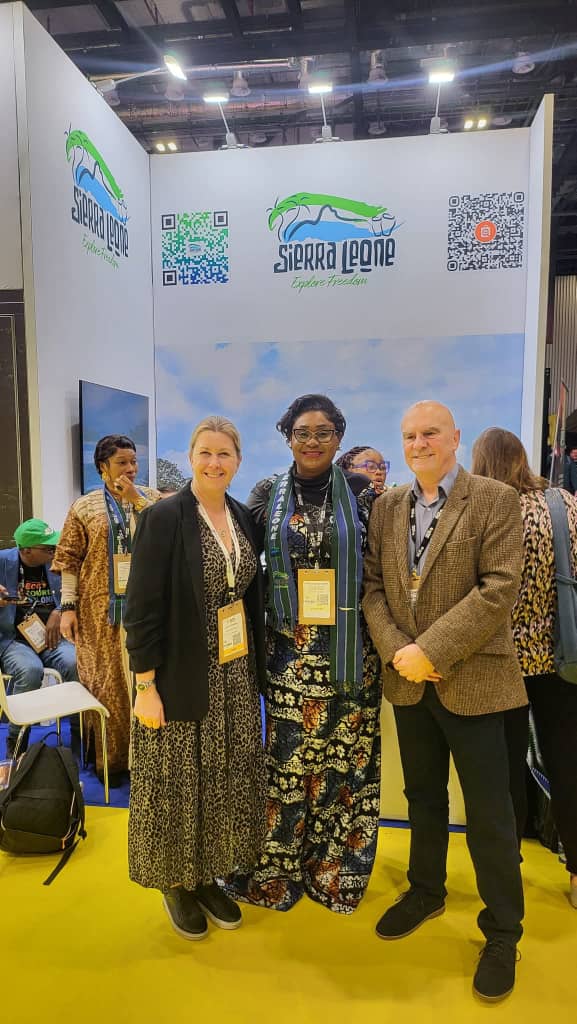
In addition, Sierra Leone gained increased visibility at major global tourism exhibitions, including events in Berlin, Madrid, and London, where the country’s tourism potential was showcased to international tour operators, investors, and travel professionals. Engagements with the Sierra Leonean diaspora further strengthened heritage-based tourism, creating new pathways for diaspora travelers to reconnect with their roots while contributing to the country’s tourism economy.
For Madam Carew, these international partnerships were not simply about publicity. They were about building long-term marketing capacity within the NTB. Her vision ensured that these collaborations included knowledge transfer and institutional strengthening. Under her leadership, a dedicated Digital Marketing and ICT Unit was established within the institution. Investments in modern equipment, content development tools, and staff training enabled the NTB to manage its own digital storytelling and destination marketing campaigns. Today, the institution is increasingly able to shape Sierra Leone’s global tourism narrative with confidence, a critical step toward sustainable tourism competitiveness.
Promoting Tourism as an Engine of Economic Opportunity
Beyond marketing and governance reforms, Madam Carew has consistently emphasized tourism’s role as a driver of local economic opportunity. Tourism is not simply about attracting visitors. It is about creating economic value for communities through hotels, tour operators, restaurants, transport services, craft markets, and cultural experiences. Through initiatives such as the “*Explore Freedom*” campaign, she has promoted domestic tourism as both an economic stabilizer and a way to strengthen national pride in Sierra Leone’s natural and cultural heritage. Engagement with tourism clubs in schools and universities has also helped cultivate a generation of young Sierra Leoneans who see tourism not only as leisure, but as a source of entrepreneurship and employment. By broadening participation in the sector, these initiatives help ensure that tourism growth benefits communities across the country.
Aligning Sierra Leone’s Tourism Growth with Global Development Trends
Madam Carew’s leadership reflects an understanding that tourism today operates within a broader global development landscape. Across the world, tourism is increasingly recognized as a powerful driver of sustainable economic development capable of generating employment, stimulating private sector investment, and promoting environmental conservation when properly managed. Through collaboration with the World Bank and SLEDP, Sierra Leone’s tourism reforms are being aligned with these global best practices. Institutional strengthening, improved marketing capacity, regulatory modernization, and strategic sector development are helping position the country to compete more effectively within the global tourism economy. In this way, Madam Carew’s work contributes not only to national tourism growth, but also to Sierra Leone’s broader ambition of building a resilient and diversified economy.
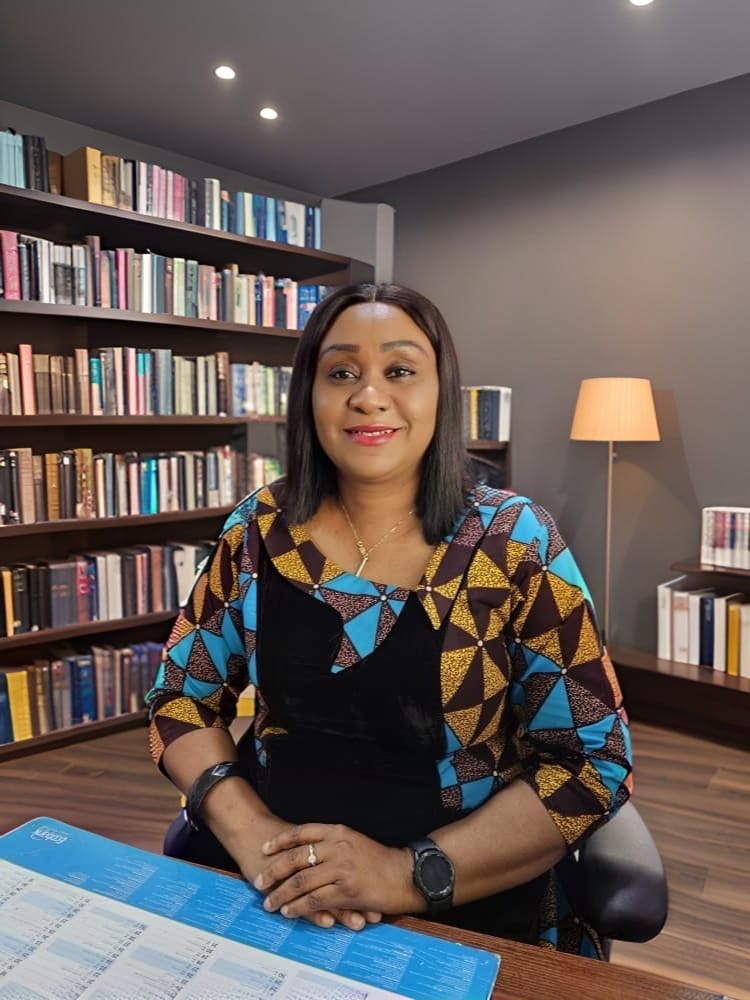
On this International Women’s Day, SLEDP proudly celebrates Fatmata Mida Carew as a leader whose institutional reforms are helping shape the future of Sierra Leone’s tourism sector. Through her leadership, the National Tourist Board has strengthened its governance systems, expanded its marketing capacity, and reinforced its role as a central driver of tourism sector development. Her work demonstrates how strong institutions, strategic partnerships, and disciplined implementation can transform tourism into a catalyst for economic opportunity. 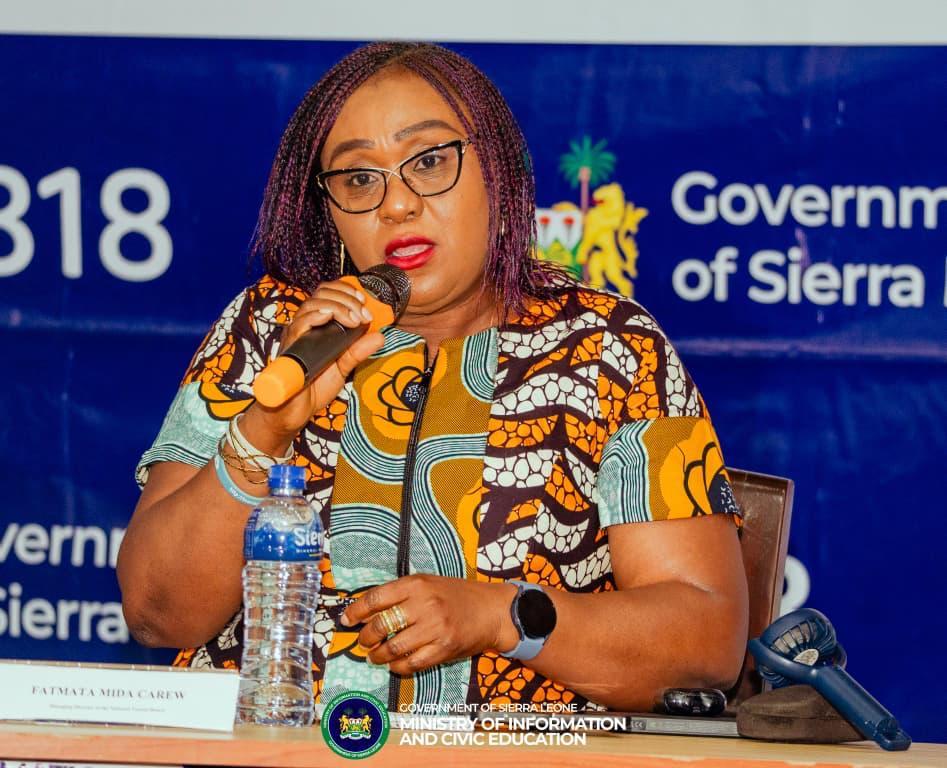 At a time when Sierra Leone is seeking new pathways for growth and diversification, leaders like Madam Carew play a critical role in ensuring that sectors with immense potential are supported by institutions capable of delivering results. Her journey is a powerful reminder that economic transformation often begins with leaders who are willing to modernize institutions, champion innovation, and turn national vision into measurable progress.